In the Korean skincare routine, the moisturizing cream is the step that seals all the previous work. It traps the hydration provided by the tonic and serum, protects the skin barrier, and creates a protective film against external aggressors.
Korean skincare stands out for the variety of its textures — from ultra-light gels to rich balms — which makes it possible to find a formula suited to each skin type and season.
Why Moisturizing Cream is Essential
Even if you use a serum with hyaluronic acid or a hydrating essence, these products need an occlusive layer on top to work fully.
Hyaluronic acid attracts water. Without cream on top, this water evaporates. The cream acts as a lid: it prevents transepidermal water loss and maintains hydration.
K-beauty Textures Explained
Gel-Cream
For whom: oily, combination, or summer skin Texture: light, fresh, quick absorption Advantage: doesn't weigh down the skin, doesn't clog pores
Emulsion
For whom: normal to combination skin Texture: fluid, between a serum and a cream Advantage: hydration without greasy residue
Classic Cream
For whom: normal to dry skin Texture: creamy, nourishing Advantage: good balance of hydration/nutrition
Rich Cream / Balm
For whom: dry, very dry, or winter skin Texture: thick, enveloping Advantage: intense nourishment, barrier repair
The Dr. Althea 345 Relief Cream is a good example of a rich repairing cream, formulated with centella, panthenol, and ceramides for dry and fragile skin.
Key Ingredients to Look For
For Hydration
- Hyaluronic acid — humectant, retains water
- Glycerin — classic humectant, excellent value for money
- Beta-glucan — soothing humectant
For Nourishment
- Ceramides — reconstruct the skin barrier
- Squalane — light emollient, non-comedogenic
- Shea butter — rich occlusive
For Repair
- Panthenol (B5) — hydrates and accelerates regeneration
- Madecassoside / centella — anti-inflammatory, healing
- Allantoin — soothes and repairs
To Avoid
- Denatured alcohol (high on the INCI list) — dries out over time
- Synthetic fragrance — risk of irritation for sensitive skin
- Mineral oil — not necessarily bad, but plant-based alternatives are preferable
Moisturizing Cream and Moroccan Climate
Your cream choice should adapt to the season:
Summer in Morocco:
- Gel-cream or light emulsion
- Non-sticky texture under sunscreen
- Non-comedogenic formulation
Winter in Morocco:
- Richer cream with ceramides
- At night, possibility of adding a sleeping mask on top
- Adaptation to drier areas (cheeks) vs T-zone
Reference Korean Brands
- [Dr. Althea](/brand/dr-althea) — their 345 Relief Cream is their best-seller, formulated for dry skin and fragile skin barriers
- [Purito](/brand/purito) — minimalist formulations, fragrance-free, suited to sensitive skin
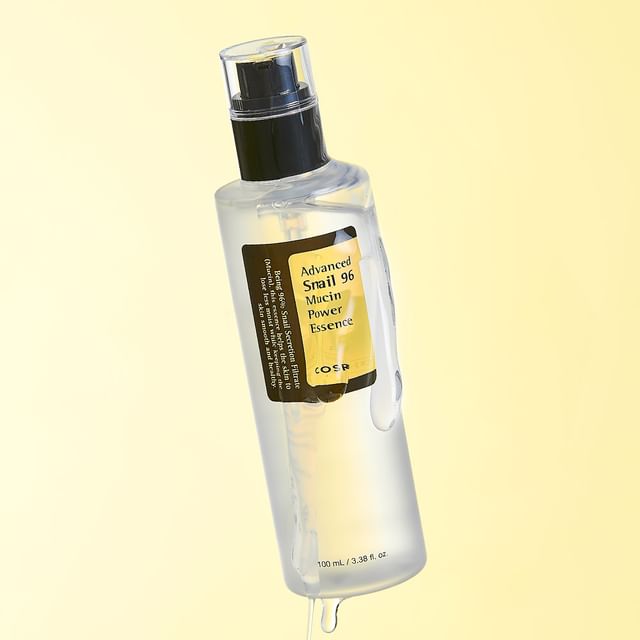
- [COSRX](/brand/cosrx) — light gel-creams with hyaluronic acid for combination skin
- [Laneige](/brand/laneige) — hydrating sleeping masks recognized worldwide
- [Etude House](/brand/etude-house) — accessible and varied options
How to Apply Your Cream
- Apply to skin still slightly damp from serum
- Take an amount the size of a small pea
- Distribute in 5 points: forehead, two cheeks, nose, chin
- Press gently with palms (don't rub)
- Let absorb 1 minute before SPF (in the morning)
FAQ
Cream or gel moisturizer: what's the difference? Gel is lighter, composed mainly of water and humectants — ideal for oily skin. Cream contains more lipids and occlusives — necessary for dry skin. Gel-creams are a compromise that suits combination skin.
Do you need to moisturize oily skin? Yes. Dehydrated oily skin produces even more sebum to compensate. Use a light, non-comedogenic gel-cream.
How to apply your moisturizing cream correctly? On damp skin, pressing gently with your palms. Don't stretch or rub. The "pressing" technique allows for better absorption and less irritation.
Check out the complete skincare routine to know where to place the cream in your routine, or explore Korean skincare in Morocco.