
Korean skincare owes much of its reputation to its ingredients. Some, like snail mucin or centella asiatica, have become global references. But between marketing, TikTok videos, and conflicting reviews, it's hard to know what to believe.
This guide reviews the most-used actives in K-beauty, what they actually do (not what Instagram tells you), and where to find them in Morocco.
Centella Asiatica
What it is: a medicinal plant used for centuries in traditional Asian medicine. Also called "tiger grass" — according to legend, tigers rolled in it to heal their wounds.
What science says: the four active molecules in centella (madecassoside, asiaticoside, madecassic acid, asiatic acid) stimulate collagen production and accelerate wound healing. Clinical studies confirm its anti-inflammatory and reparative effects.
Best for: all skin types, but especially sensitive, irritated, post-acne, or compromised skin.
K-beauty brands: SKIN1004 (maximum concentration, single ingredient), Purito (centella + niacinamide + peptides)
What centella does NOT do: it's not anti-acne, doesn't tighten pores, doesn't replace SPF. It's a repairer, not a treatment.
Snail Mucin
What it is: the filtrate of snail secretion. The snail is not harmed — mucin is collected as the animal moves across a mesh.
What science says: snail mucin naturally contains hyaluronic acid, glycoproteins, allantoin, and zinc. Studies show improved hydration and accelerated wound healing.
Best for: all skin types. Particularly useful for dehydrated skin and skin that heals poorly.
K-beauty brand: COSRX (the classic, 96% snail mucin)
What snail mucin does NOT do: it doesn't erase deep wrinkles, doesn't replace an exfoliant, doesn't treat active acne.
Niacinamide (Vitamin B3)
What it is: a water-soluble form of vitamin B3. One of the most studied actives in dermatology.
What science says: at 2-5%, niacinamide regulates sebum production, reduces hyperpigmentation, strengthens the skin barrier, and has anti-inflammatory properties. It's one of the rare actives with dozens of positive clinical studies.
Best for: all skin types. Enlarged pores, dark spots, dull complexion, oily skin — niacinamide addresses a wide spectrum.
K-beauty brand: Beauty of Joseon (niacinamide + propolis in the Glow Serum)
BHA (Salicylic Acid)
What it is: a lipophilic acid (fat-soluble) capable of penetrating pores. It's the only exfoliant that works DEEP inside the pore, not just on the surface.
What science says: salicylic acid has keratolytic properties (dissolves dead cells) and anti-inflammatory effects. Used in dermatology for decades to treat acne and blackheads.
Best for: combination to oily skin, prone to blackheads and non-inflammatory acne.
K-beauty brand: COSRX (pure BHA in Betaine Salicylate form)
Vitamin C
What it is: a powerful antioxidant that protects against UV damage and brightens skin tone.
What science says: vitamin C (ascorbic acid) inhibits melanogenesis and stimulates collagen production. Effective at 10-15% concentration.
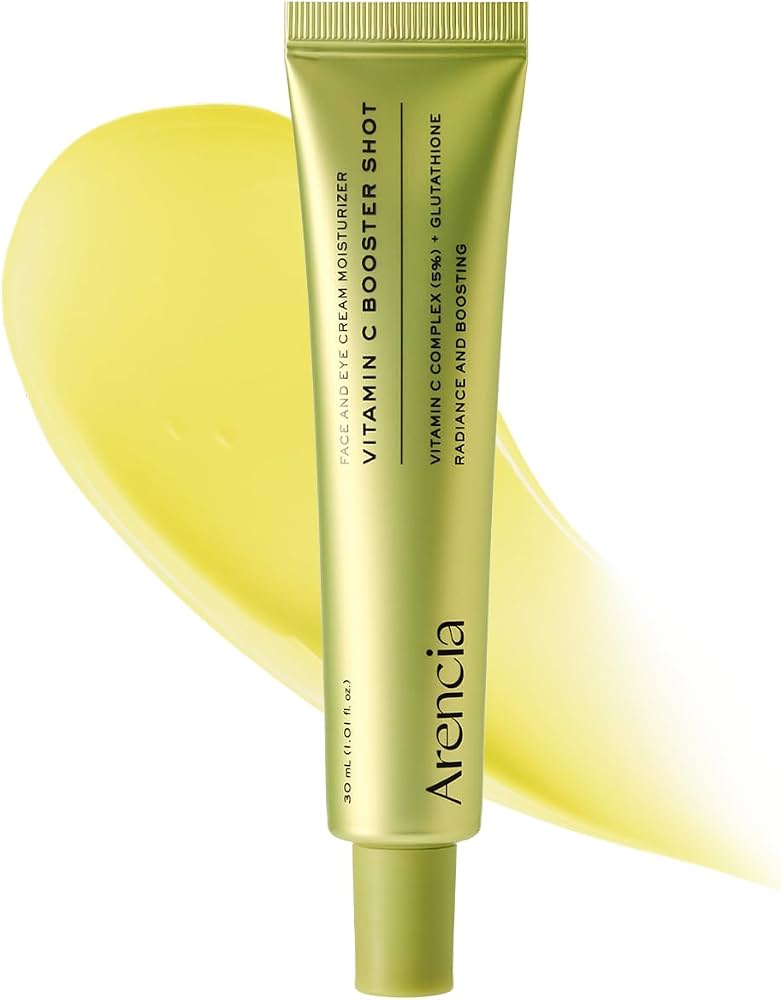
Where to find it: Arencia Vitamin C Booster Shot
Caution: use it in the morning, followed by SPF. Vitamin C is photosensitive but also photoprotective — it enhances your sunscreen's effectiveness.
Propolis
What it is: a resin produced by bees to protect the hive. Rich in flavonoids and phenolic compounds.
What science says: propolis has antibacterial, anti-inflammatory, and antioxidant properties. Studies show its effectiveness on mild acne and wound healing.
Best for: blemish-prone skin, dull skin lacking radiance.
Ceramides
What it is: lipids naturally present in the skin's outer layer (stratum corneum). They form the "cement" between skin cells.
What science says: topical ceramide supplementation restores barrier function and reduces transepidermal water loss (TEWL). Particularly useful for dry and atopic skin.
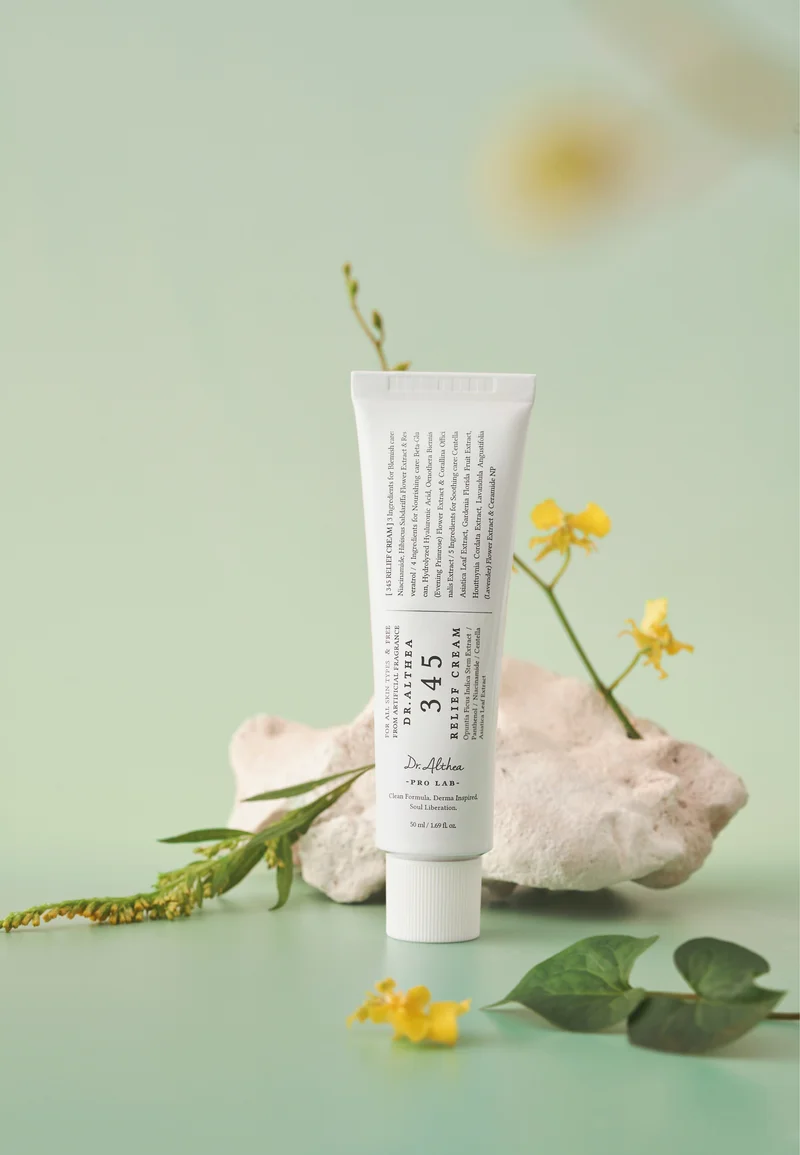
Where to find it: Dr. Althea 345 Relief Cream — 3% ceramides + panthenol + squalane
Summary Table
| Ingredient | Main Action | Target Skin | Compatibility | |---|---|---|---| | Centella | Repair, soothing | Sensitive, irritated | Compatible with everything | | Snail mucin | Hydration, healing | All types | Compatible with everything | | Niacinamide | Sebum regulation, radiance | All types | Compatible with everything except high-dose pure vitamin C | | BHA | Pore exfoliation | Combination, oily | Not with retinol same evening | | Vitamin C | Antioxidant, radiance | All types | Morning preferred, before SPF | | Propolis | Antibacterial, radiance | Blemish-prone | Compatible with everything | | Ceramides | Barrier repair | Dry, compromised | Compatible with everything |
How to Combine Actives
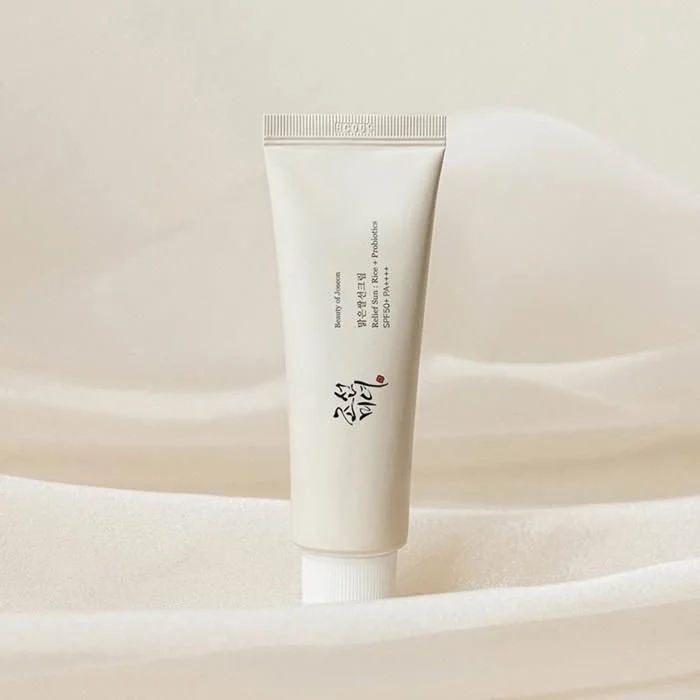
Morning Routine (protective): Centella or niacinamide → vitamin C → Beauty of Joseon SPF
Evening Routine (reparative): BHA (3x/week) → snail mucin or niacinamide → Dr. Althea ceramide cream
Do not mix the same evening:
- BHA + retinol (too irritating)
- AHA + BHA in high concentration (over-exfoliation)
- Pure vitamin C + high-dose niacinamide (debated, but may reduce each other's effectiveness)
To find the products mentioned, visit YesStyle Morocco and consult the complete Korean skincare guide for Morocco.
Frequently Asked Questions
What's the most versatile ingredient for beginners?
Niacinamide. It suits all skin types, doesn't irritate, and addresses multiple concerns (sebum, spots, barrier).
Are Korean ingredients different from those used in Europe?
The molecules are the same (niacinamide, salicylic acid). The difference is in formulation: Korean brands use lighter textures and combine actives with natural extracts (centella, propolis, rice).
Can you use all these actives at once?
No. Build your routine gradually. Start with 2-3 products, wait a month, then add more. Too many actives at once risks sensitizing your skin.
Are natural ingredients better than synthetic ones?
Not necessarily. Synthetic niacinamide is as effective as its natural source. "Natural" doesn't mean "risk-free" — natural essential oils irritate more than many synthetic actives.