
Many people use "dry skin" and "dehydrated skin" interchangeably. It's a mistake that often leads to unsuitable skincare — and skin that doesn't improve despite your efforts.
The distinction is simple but fundamental: dry skin lacks lipids (oils), dehydrated skin lacks water. And yes, oily skin can be dehydrated.
Dry Skin: A Skin Type
Dry skin is a permanent skin type. It naturally produces less sebum than other types. It's genetic.
Signs:
- Constant feeling of tightness, even after hydration
- Skin that flakes or peels
- Rough texture to the touch
- Very fine pores, almost invisible
- Little to no shine
What it needs: lipids (oils, butters, ceramides) to compensate for lack of natural sebum + water for hydration.
Dehydrated Skin: A Temporary State
Dehydration is a condition that can affect all skin types, including oily and combination skin. It's caused by external factors (climate, unsuitable products, diet) and can be corrected.
Signs:
- Skin that feels tight sometimes, not constantly
- Dehydration lines (fine lines that disappear when you pinch the skin)
- Dull complexion, lack of radiance
- Skin that absorbs products very quickly ("it drinks everything")
- Paradoxically, sometimes more shine (skin compensates by producing sebum)
What it needs: water (humectants like hyaluronic acid) + an occlusive layer to prevent evaporation.
The Simple Test
Cleanse your face with a gentle cleanser and wait 30 minutes without applying any products.
- Dry skin: feels tight everywhere, stays matte, feels uncomfortable
- Dehydrated skin: feels tight then produces sebum in the T-zone
- Dehydrated oily skin: feels tight AND shiny at the same time
The Skin Barrier: The Common Factor
Whether dryness or dehydration, the skin barrier is at the center of the problem.
The skin barrier is the outermost layer of the epidermis, composed of cells (corneocytes) bound by lipids (ceramides, cholesterol, fatty acids). It works like a brick wall: the cells are the bricks, the lipids are the mortar.
When this barrier is compromised:
- Water evaporates too quickly (transepidermal water loss)
- Irritants penetrate more easily
- Skin becomes reactive and sensitive
Barrier enemies: harsh cleansers, excessive exfoliation, alcohol in products, hard water, sun without protection.
Routine for Dry Skin
Dry skin needs lipids — oils, butters, ceramides.
Morning:
- Creamy non-foaming cleanser
- Hydrating toner
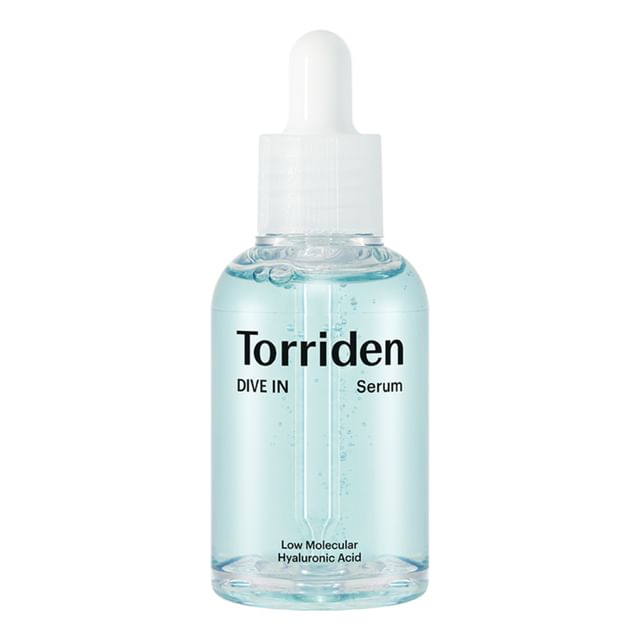
- Hyaluronic acid serum (on damp skin)
- Rich cream with ceramides — Dr. Althea 345 Relief Cream is formulated for dry and fragile skin
- Sunscreen
Evening:
- Double cleanse with a nourishing oil
- Hydrating toner
- Repair serum (ceramides, panthenol)
- Rich night cream or occlusive balm
Routine for Dehydrated Skin
Dehydrated skin needs water — humectants, applied in layers.
Morning:
- Gentle cleanser with pH 5-6
- Hydrating toner — apply 2-3 layers (simplified "7 skin method")
- Hyaluronic acid serum on damp skin
- Lightweight hydrating cream
- Sunscreen
Evening:
- Double cleanse
- Hydrating toner (2-3 layers)
- Hydrating serum
- Sleeping mask 2-3 times per week
Ingredients to Look For
For Dry Skin (Lipids)
- Ceramides — rebuild the "mortar" of the skin barrier
- Squalane — lightweight and non-comedogenic oil
- Shea butter — rich occlusive
- Panthenol (Provitamin B5) — hydrates and repairs
For Dehydrated Skin (Water)
- Hyaluronic acid — powerful humectant
- Glycerin — classic humectant, very effective
- Beta-glucan — soothing humectant
- Aloe vera — hydrating and calming
The Moroccan Climate and Hydration
Morocco presents particular challenges for skin hydration:
- Summer: dry heat inland, coastal humidity — perspiration creates a false impression of hydration
- Winter: cold dry wind, indoor heating — skin loses water rapidly
- Tap water: often hard, which can dry and irritate skin after cleansing
Adaptation: use a hydrating toner immediately after cleansing to counteract the hardness effect. Always seal hydration with a cream.
FAQ
How do I know if my skin is dry or dehydrated? The 30-minute test: cleanse and wait. If your skin feels tight everywhere without producing sebum, it's dry (skin type). If it feels tight then shiny in the T-zone, it's dehydrated (condition). Skin can be both at once.
Can oily skin be dehydrated? Yes, it's actually common. Dehydrated oily skin feels tight but shiny, has a grainy texture despite sebum, and products "are absorbed in 5 seconds." The solution: hydrate with lightweight textures without stripping sebum.
Which ingredients repair the skin barrier? Ceramides, panthenol, and madecassoside (centella) for barrier lipids. Hyaluronic acid and glycerin for hydration. Avoid aggressive foaming cleansers and limit exfoliation during the repair phase.
Check out our Korean hydrating cream guide or explore sensitive skin care in Morocco.