
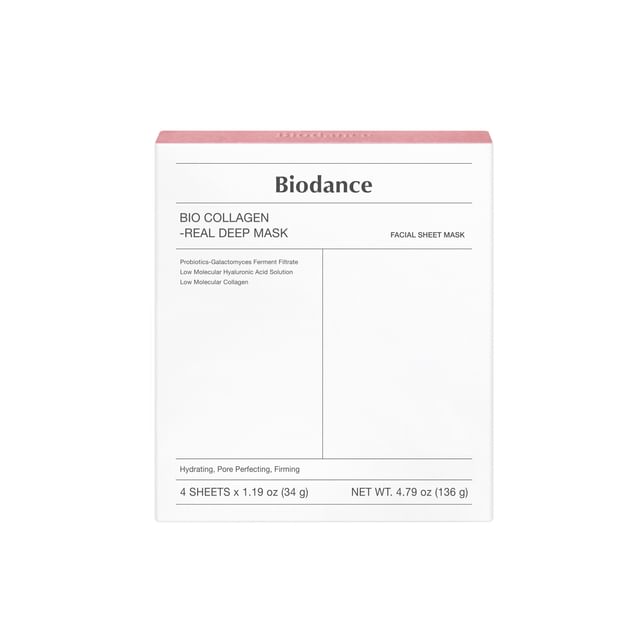
Collagen is the most abundant protein in the skin. It gives it firmness, bounce, and structure. With age, its production decreases — approximately 1% per year after age 25 — resulting in wrinkles, sagging, and less plump skin.
Naturally, the cosmetics industry has made collagen a major selling point. But between "collagen" creams, "collagen-boosting" serums, and dietary supplements, what actually works?
Topical Collagen (in Creams)
The Scientific Reality: intact collagen molecules are too large to penetrate the skin. A serum or cream "with collagen" won't replace the collagen lost in the dermis.
What it does anyway: collagen applied topically acts as a humectant — it retains water on the surface and creates a temporary plumping effect. It's a good hydrating ingredient, but it's not "collagen replacement."
Hydrolyzed Collagen: collagen peptides (collagen broken down into small molecules) penetrate better than intact collagen. Some studies suggest they can stimulate fibroblasts (cells that produce collagen), but evidence remains limited for topical application.
Actives That REALLY Stimulate Collagen
Retinol / Retinoids
Retinol is the most proven anti-aging active. It directly stimulates collagen production by dermal fibroblasts. Decades of clinical studies confirm its effectiveness.
Vitamin C (L-Ascorbic Acid)
Vitamin C is an essential cofactor in collagen synthesis. Without vitamin C, skin cannot produce collagen properly. Applied topically at 10-20%, it boosts production and protects existing collagen against oxidative damage.
Signaling Peptides
Certain peptides (Matrixyl, Argireline, etc.) send signals to fibroblasts to increase collagen production. Their effectiveness is proven in vitro and in a few clinical studies, but at precise concentrations.
Sun Protection
The most important factor for preserving existing collagen. UV rays degrade collagen much faster than natural aging. Daily sunscreen is, paradoxically, the best "anti-aging treatment" that exists.
PDRN: The New Trend
PDRN (Polydeoxyribonucleotide) is an emerging active derived from salmon DNA. Originally used in regenerative medicine (injections), it's entering Korean cosmetics.
What Research Shows:
- Stimulates tissue regeneration
- Anti-inflammatory properties
- May improve hydration and elasticity
The Limitations:
- Most studies focus on injected PDRN, not topical
- Concentrations in cosmetics are often lower than studied doses
- It's a promising ingredient but still being validated for topical use
Several Korean brands already offer PDRN serums. Expect to see more, but keep a critical eye on claims.
Realistic Anti-Aging Approach
Rather than searching for a single miracle collagen product, a multi-active strategy is more effective:
Prevention (most important):
- Daily SPF 50+ sunscreen
- Antioxidants (vitamin C in the morning)
- Consistent hydration
Stimulation:
- Retinol at night (slow progression)
- Peptides in serum or cream
- Niacinamide for elasticity
Support:
- Hyaluronic Acid for hydration
- Centella Asiatica for repair
- Diet rich in vitamin C and proteins
Korean Collagen Creams
Among Korean brands using collagen and associated actives:
- [Medicube](/blog/medicube-morocco-guide) — Collagen Jelly Cream with hydrolyzed collagen and adenosine
- [Beauty of Joseon](/brand/beauty-of-joseon) — uses peptides and ginseng in its Dynasty Cream
- [Dr. Althea](/brand/dr-althea) — the 345 Relief Cream combines centella and skin repair
FAQ
Is topical collagen really effective? Intact collagen in cream doesn't penetrate deep enough to replace dermal collagen. It acts as a surface hydrator. Hydrolyzed collagen (peptides) has slightly more potential but evidence is still limited.
What is PDRN in skincare? PDRN is an active derived from salmon DNA, promising for tissue regeneration. In cosmetics, it's still in the validation phase — the most convincing studies focus on the injectable form, not topical.
How do you stimulate collagen production? The most proven actives are retinol and vitamin C. Daily sun protection is the most important factor for preserving existing collagen. Signaling peptides offer complementary support.
Explore retinol in skincare or check out our Korean skincare guide.
