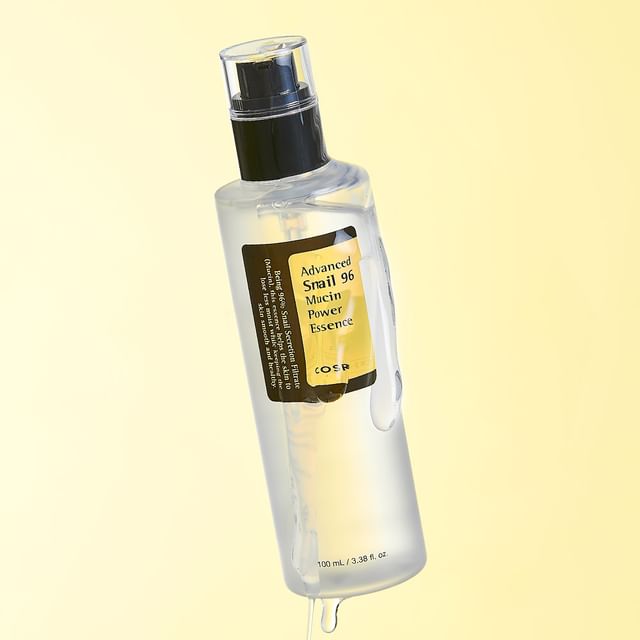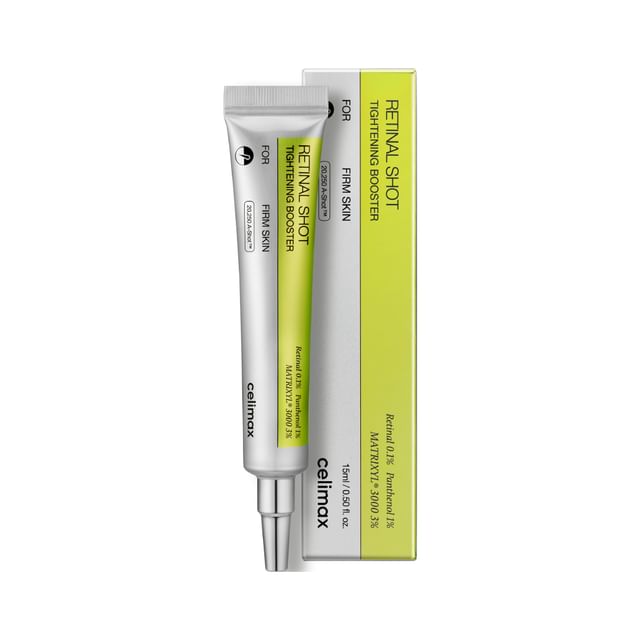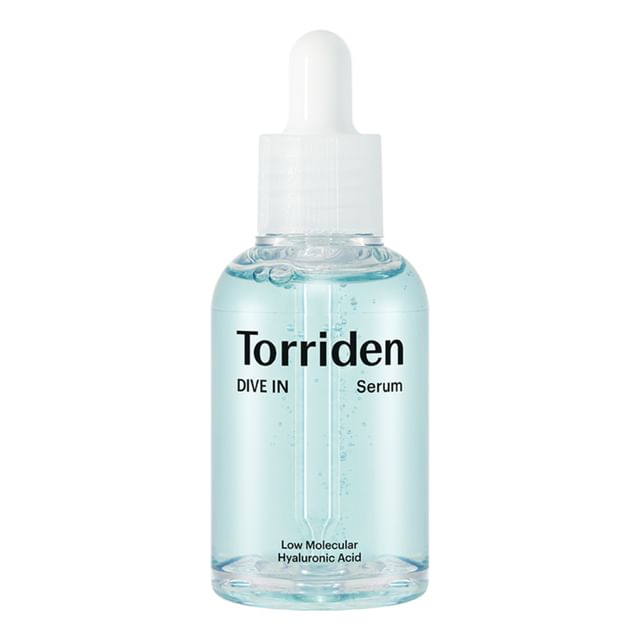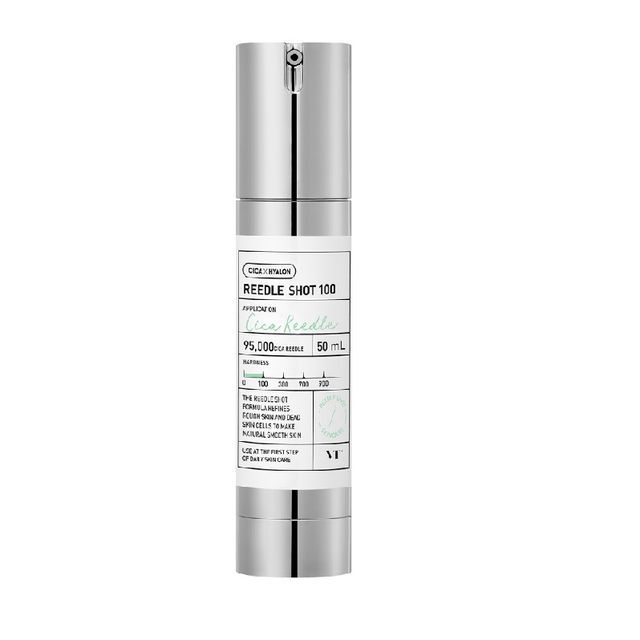
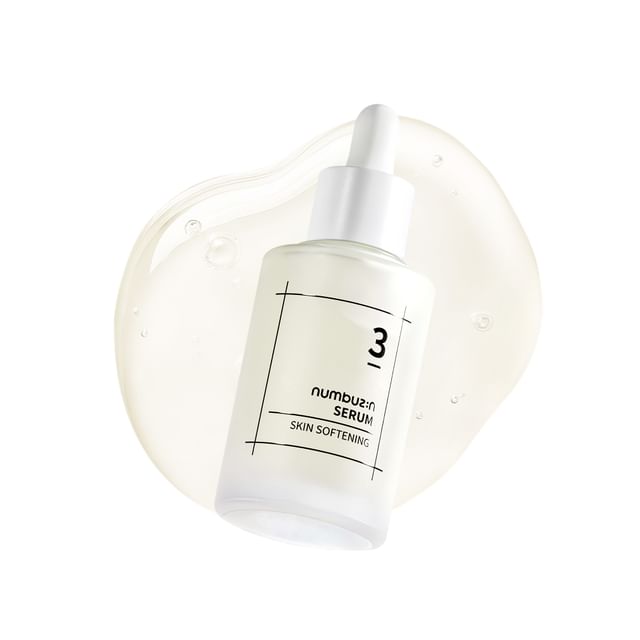
In Korean skincare, serum is where the magic happens. It's the product with the highest concentration of actives, formulated to penetrate effectively into the skin. Where a cleanser prepares and a cream seals, a serum treats.
But faced with the variety of Korean serums available, choosing can be confusing. This guide sorts serums by skin type and concern to help you find the right one.
How Does a Serum Work?
A serum is a formulation with high concentration of actives in a lightweight texture (watery or gel). Thanks to smaller molecules than those in a cream, it penetrates deeper into the skin.
A serum is NOT a substitute for moisturizer. It treats a specific problem; the cream seals hydration and protects the barrier.
Serums by Skin Type
Oily or Combination Skin
Actives to look for: niacinamide (sebum regulation), zinc (anti-inflammatory), tea tree (antibacterial)
Lightweight, watery textures are ideal — avoid oily or rich serums that risk clogging pores. 5% niacinamide-based serums are an excellent starting point: they regulate sebum and reduce pores without drying out.
Dry Skin
Actives to look for: hyaluronic acid multi-weight, ceramides, squalane, panthenol
Dry skin needs a serum that attracts and retains water. Multi-molecular HA formulations (low + high molecular weight) provide multi-level hydration. Apply to damp skin and seal immediately with a rich cream.
Sensitive Skin
Actives to look for: centella asiatica, madecassoside, panthenol, beta-glucan
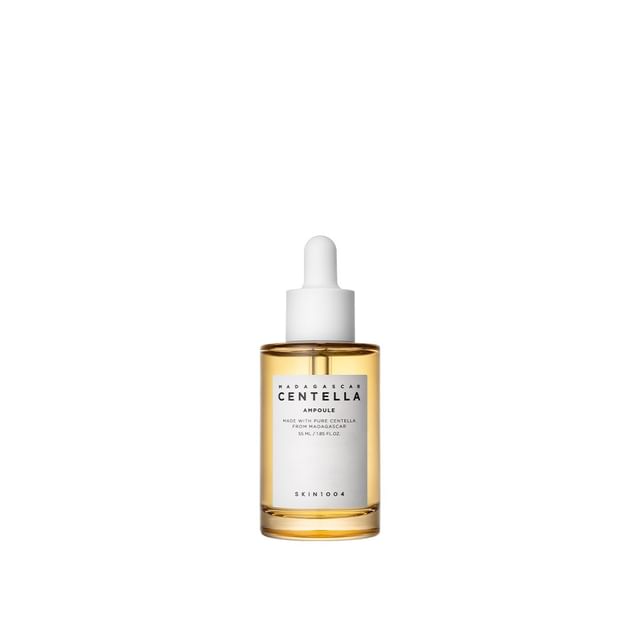
Centella-based soothing serums are the specialty of Korean skincare. SKIN1004 and Purito offer minimalist formulations with few ingredients — less risk of reaction.
Dull or Uneven Skin Tone
Actives to look for: vitamin C, arbutin, niacinamide, tranexamic acid
For brightness and anti-spots, vitamin C serum is the classic choice. The Arencia Vitamin C Booster Shot is a concentrated serum that combines pure vitamin C and stabilizing actives.
For brown spots, a serum combining niacinamide + arbutin offers progressive and lasting results without irritation.
Mature Skin
Actives to look for: retinol, peptides, collagen, adenosine
Adenosine is an anti-wrinkle active approved by the KFDA (the Korean equivalent of the FDA). It's found in many Korean serums at effective concentrations.
How to Apply Serum Correctly
- After toner, on still slightly damp skin
- A few drops are enough — 3 to 5 drops for the entire face
- Pat gently with your palms rather than rubbing
- Wait 30 seconds for the serum to absorb before applying cream
- Don't mix too many actives the same evening — one active serum is enough
Can You Layer Multiple Serums?
Yes, but with method:
- Maximum 2 serums per routine
- From thinnest to most viscous
- Avoid irritating combinations (retinol + acidic vitamin C, retinol + AHA/BHA the same evening)
Combinations that work:
- HA + niacinamide (hydration + brightness)
- Centella + HA (soothing + hydration)
- Vitamin C morning + retinol evening (brightness + renewal)
Ampoules vs Serums vs Essences
K-beauty vocabulary can be confusing:
- Essence: very liquid texture, moderate actives concentration, used before serum
- Serum: high concentration of actives, gel or fluid texture
- Ampoule: "boosted" serum — even higher concentration, often used as a treatment
In practice, the line between the three is blurry. Look at the ingredient list rather than the product name.
FAQ
How do I choose a serum suited to my skin type? Identify your main concern (sebum, dryness, spots, wrinkles) and choose the corresponding active. A serum can't do everything — target one or two problems maximum.
When should I apply serum in my routine? After cleansing and toner, before moisturizer. Apply to damp skin to maximize absorption.
Can I layer multiple serums? Yes, maximum 2 per routine. From lightest to thickest. Avoid combining irritating actives the same evening (retinol + AHA for example).
Explore the complete Korean skincare guide or discover Korean products available in Morocco.